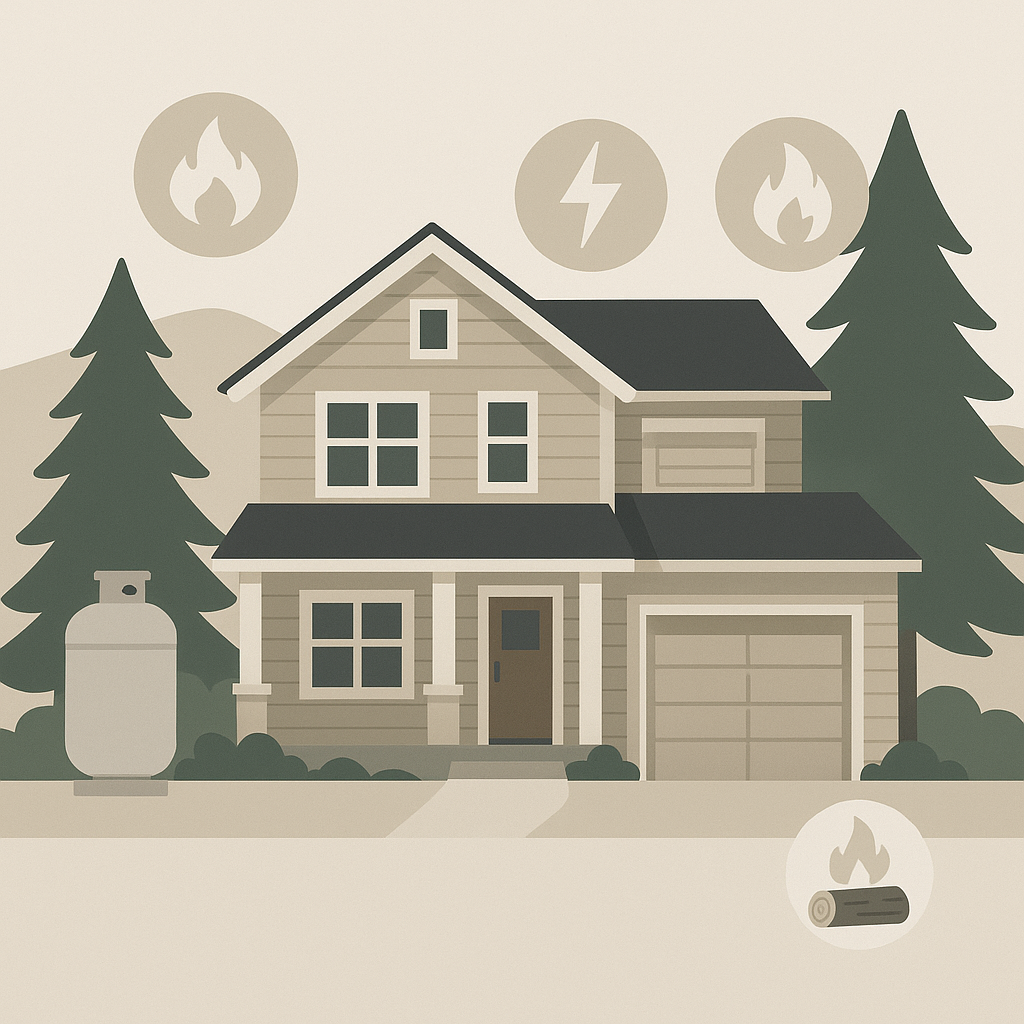
Propane, Electric, or Wood Heat? Heating Options in Conifer Homes — What Newcomers Should Know
As the temperatures drop in the scenic mountain town of Conifer, Colorado, one of the most important decisions for homeowners—especially newcomers—is how to heat their homes effectively and efficiently. The options available can vary significantly in terms of cost, convenience, and environmental impact. In this blog post, we will unpack the three primary heating methods: propane, electric, and wood heat, providing you with the insights necessary to make an informed decision for your new home.
The Heating Landscape in Conifer
Conifer’s unique climate poses certain challenges and benefits when it comes to heating homes. With chilly winters and fluctuating temperatures, understanding the local heating options can help you maintain comfort while also managing your energy expenses. Let’s explore the three main heating methods.
1. Propane Heating
Propane is a popular choice among homeowners in Conifer for several reasons:
- Efficiency: Propane heating systems tend to heat spaces quickly and efficiently, making them suitable for the cold climate.
- Availability: Propane is widely available in the area and can be delivered directly to your home.
- Cost: While the initial installation costs can be higher than some systems, propane can be cost-effective over time, especially if you have a larger home.
However, there are some considerations:
- Propane prices can fluctuate seasonally, so it’s essential to monitor costs.
- You’ll need to have a storage tank installed, which requires space and maintenance.
2. Electric Heating
Electric heating systems are another option that many homeowners consider:
- Convenience: Electric heating is often easier to install and maintain, requiring less upfront investment.
- Safety: There are fewer safety concerns compared to propane, as there’s no risk of gas leaks.
- Variety: Options range from baseboard heaters to electric furnaces and heat pumps, providing flexibility based on your home’s needs.
Nonetheless, it’s essential to be aware of some drawbacks:
- Electric heating can be more expensive in terms of monthly energy bills, especially during peak usage times.
- In case of a power outage, you may lose heat unless you have a backup generator.
3. Wood Heating
Wood stoves and fireplaces offer a traditional and cozy option for heating:
- Environmental Impact: Using wood can be more sustainable, especially if you source your wood responsibly.
- Cost-Effective: If you have access to free or low-cost firewood, this can significantly reduce heating costs.
- Ambiance: Nothing beats the warmth and ambiance of a wood fire, making it a favorite for many mountain homeowners.
However, wood heating also comes with its challenges:
- It requires regular maintenance, including cleaning the chimney and managing the fire.
- Storing wood can take up space and may not be feasible for smaller properties.
Factors to Consider When Choosing Your Heating Method
When deciding which heating option is best for your Conifer home, consider the following factors:
- Cost: Analyze both installation and long-term energy costs.
- Convenience: Consider how much maintenance and effort you’re willing to put into your heating system.
- Environmental Impact: Think about sustainability and your carbon footprint.
- Comfort: Prioritize your comfort preferences, such as warmth and ambiance.
Conclusion
Choosing the right heating option for your Conifer home is a significant decision that can impact your comfort and budget. By understanding the advantages and disadvantages of propane, electric, and wood heating, you can make an informed choice that suits your lifestyle. As you settle into your new home in this beautiful mountain community, consider reaching out for personalized advice tailored to your specific needs.
If you have any questions or need assistance with real estate in Conifer, feel free to connect with me!
Contact Dania Guth:
Email: daniaguth@gmail.com
Phone: 303-589-4513