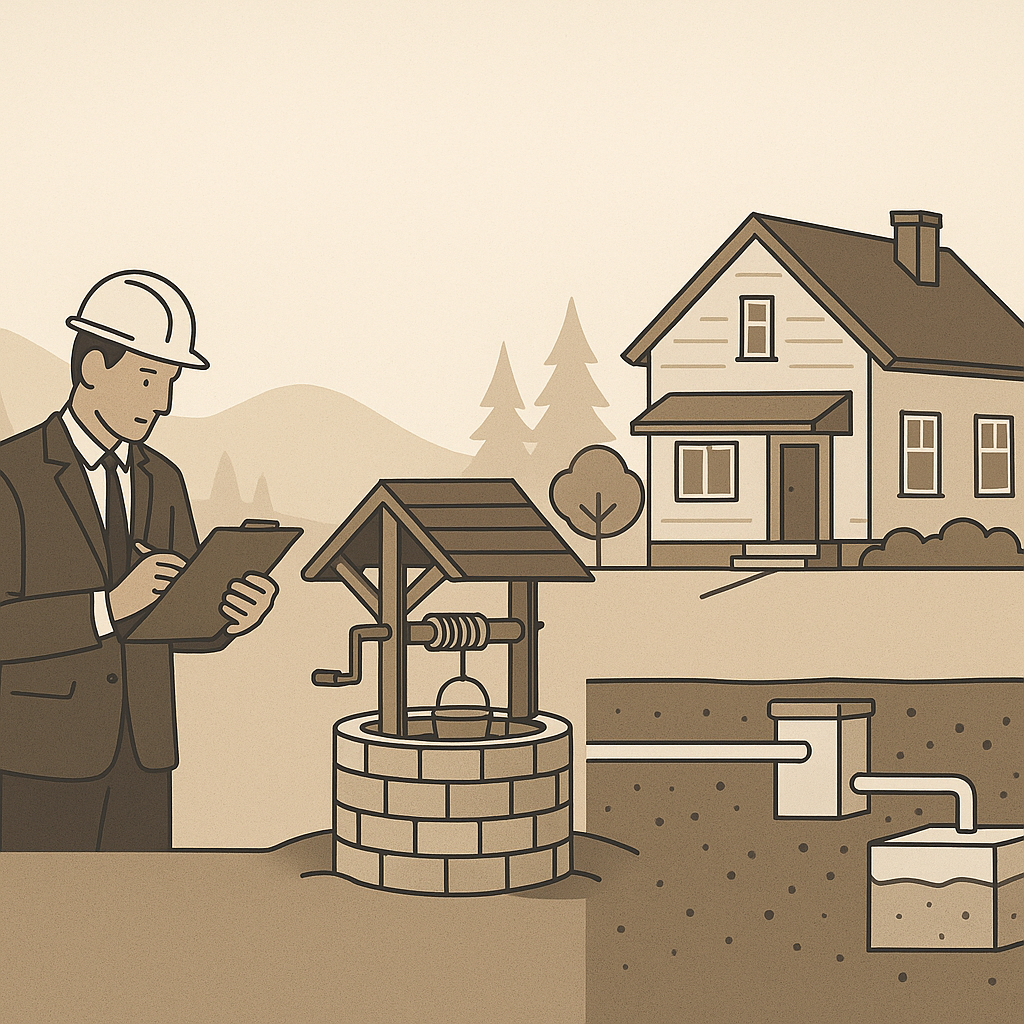
How Well and Septic Inspections Work When You Buy in Evergreen — What Newcomers Should Know
Moving to the scenic foothills of Evergreen, Colorado, is an exciting adventure. With its breathtaking landscapes, vibrant community, and outdoor recreation opportunities, it’s no wonder why so many people are drawn to this area. However, for newcomers, understanding the intricacies of home buying in a mountain community comes with its own set of challenges. One critical aspect to consider is the condition of the well and septic systems, which are common in rural areas. This guide breaks down what you need to know about well and septic inspections when purchasing a home in Evergreen.
Why Well and Septic Inspections Matter
In many parts of Evergreen, particularly in more rural settings, homes rely on private wells for water and septic systems for waste management. Proper functioning of these systems is essential for health, safety, and overall property value. Here are several reasons why these inspections are crucial:
- Health and Safety: Contaminated water or failing septic systems can pose serious health risks.
- Legal Requirements: Some lenders may require well and septic inspections before approving a mortgage.
- Future Costs: Identifying issues early can save you from expensive repairs down the line.
Understanding Well Inspections
What to Expect During a Well Inspection
A well inspection typically involves the following steps:
- Water Quality Testing: Samples are taken to check for contaminants like bacteria, nitrates, and heavy metals.
- Flow Rate Assessment: A flow test evaluates how much water the well produces over a specific time frame.
- Well Construction Evaluation: The inspector checks the well’s depth, casing, and overall construction to ensure it meets local regulations.
Who Conducts the Inspection?
It’s essential to hire a licensed well inspector familiar with Colorado regulations. They will provide a detailed report on the well’s condition and any necessary repairs or improvements.
Understanding Septic Inspections
What to Expect During a Septic Inspection
Septic inspections usually cover the following areas:
- Tank Evaluation: The inspector checks the septic tank for proper size, condition, and signs of leaks or damage.
- Drain Field Assessment: The drain field is examined to ensure it is functioning correctly and not backing up.
- System Age: Older systems may require upgrades or replacements to meet current codes.
Finding a Qualified Inspector
Just like with well inspections, it’s vital to engage a certified septic inspector. Look for professionals who have experience with the specific regulations and conditions in Evergreen.
Costs Associated with Inspections
The cost of well and septic inspections can vary significantly based on the location, the complexity of the systems, and the inspector’s fees. On average, you might expect to pay:
- Well Inspection: $300 – $600
- Septic Inspection: $250 – $500
While these costs may seem like an extra burden, they are a worthwhile investment in ensuring your new home is safe and functional.
Conclusion: Be Proactive for Peace of Mind
As you embark on your journey to find a home in Evergreen, understanding the importance of well and septic inspections is vital. By being proactive and ensuring these systems are in good working order, you can avoid potential pitfalls and enjoy the beautiful mountain lifestyle with peace of mind.
If you have any questions about the home buying process, or if you need assistance finding a qualified inspector, feel free to reach out. I’m here to help you every step of the way!
Contact me:
Email: daniaguth@gmail.com
Phone: 303-589-4513
Business Name: Dania Guth Evergreen Conifer Real Estate