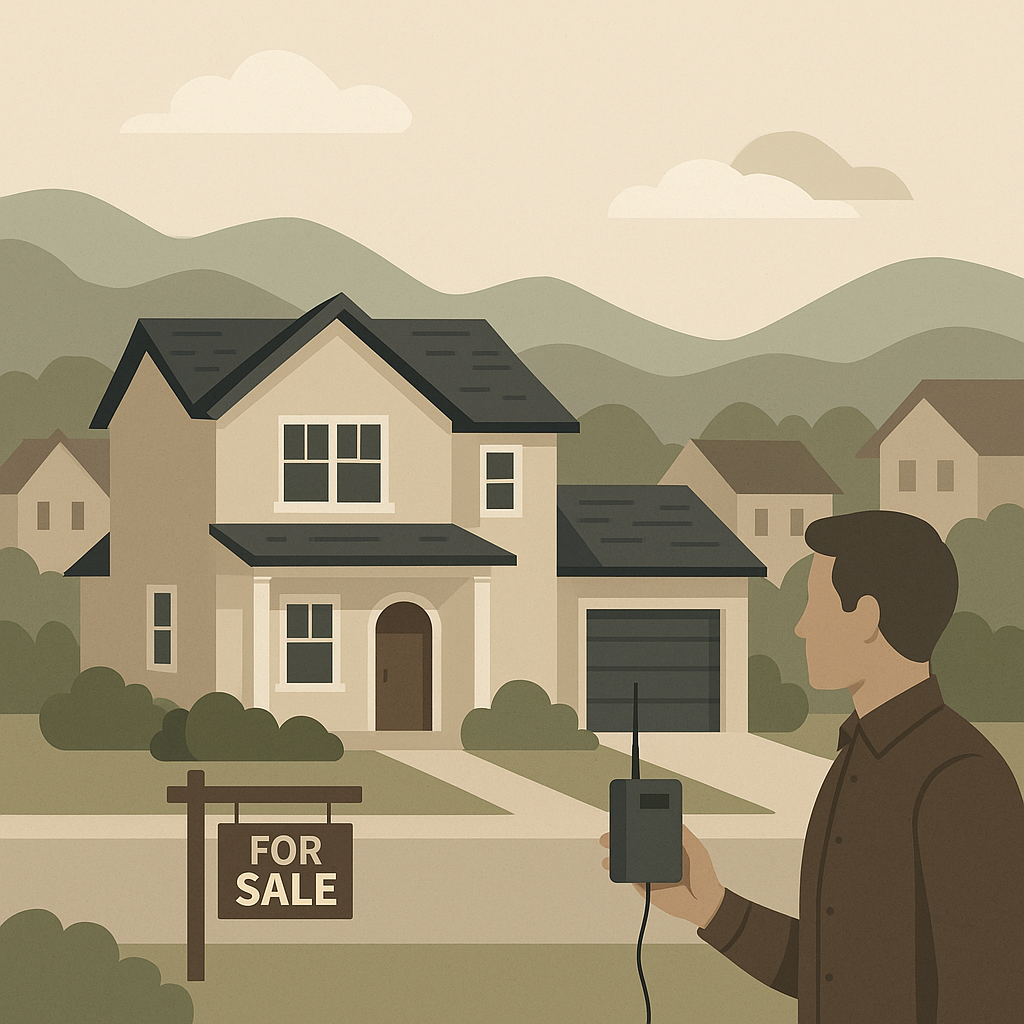
Radon in the Colorado Foothills: Testing Homes in Morrison
As a homeowner or prospective buyer in Morrison, Colorado, understanding radon is crucial for ensuring a safe living environment. Radon is a naturally occurring radioactive gas that can seep into homes from the ground, and it poses serious health risks when trapped indoors. In this article, we will explore the importance of radon testing, how to conduct it, and what you need to know about radon levels specific to the Colorado Foothills.
What is Radon?
Radon is an odorless, colorless gas produced from the natural decay of uranium found in soil and rock. It is part of the environment and can enter homes through cracks in floors, walls, and foundations, as well as through gaps around service pipes and construction joints. In high concentrations, radon is a leading cause of lung cancer among non-smokers.
The Health Risks of Radon Exposure
- Lung Cancer: Long-term exposure to radon can lead to lung cancer. The risk increases with higher levels of radon and longer exposure times.
- Combination with Smoking: Smokers exposed to radon have an even higher risk of developing lung cancer compared to non-smokers.
- Symptoms: Radon exposure doesn’t present immediate symptoms, which is why testing is crucial.
Why Testing is Essential in Morrison
Morrison, nestled in the Colorado Foothills, has unique geological characteristics that can affect radon levels. Areas with high uranium content in the soil, such as ours, can lead to elevated radon concentrations in homes. Testing for radon is the only way to determine if your home has dangerous levels.
Radon Level Recommendations
The Environmental Protection Agency (EPA) recommends taking action to reduce radon levels in homes that have radon measurements of 4 picocuries per liter (pCi/L) or higher. Here’s how local homes fare:
- Moderate Risk: Many homes in Morrison fall into the moderate category, meaning radon levels can fluctuate but often exceed safe limits.
- Testing Frequency: It’s advisable to test for radon every two years, especially after any renovations or changes to the home.
How to Test for Radon
Testing for radon is straightforward and can be done using DIY kits or through professional services. Here’s how to proceed:
DIY Testing Kits
- Purchase a Kit: Buy a radon test kit from a reputable source—local hardware stores or online retailers.
- Follow Instructions: Each kit comes with specific instructions. Generally, you’ll place the kit in the lowest livable area of your home.
- Wait for Results: Depending on the kit, results are typically available within a few days to a week.
Professional Testing Services
- Hire a Certified Tester: Consider hiring a professional radon contractor who can provide an accurate assessment.
- Receive Detailed Reports: Professionals will offer comprehensive reports and recommendations based on the findings.
Mitigation Options
If testing reveals that your home has elevated levels of radon, remediation is essential. Here are the most common methods:
- Active Soil Depressurization: This is the most effective method, which involves a vent pipe and fan to draw radon gas out of the home.
- Sealing Cracks: Sealing foundation cracks and openings can help reduce radon entry.
- Ventilation Systems: Installing a ventilation system can help maintain air quality and reduce radon levels.
Conclusion
Understanding radon and its risks is vital for maintaining a safe home in Morrison. Regular testing and timely mitigation can protect your family’s health and well-being. If you have questions about radon testing or need assistance with your home’s real estate needs, I’m here to help!
Feel free to reach out to me directly:
Email: daniaguth@gmail.com
Phone: 303-589-4513
Let’s ensure that your home is safe and sound in the beautiful Colorado Foothills!